Sight Reading Practice PDF: A Comprehensive Guide
TikTok, surprisingly, led global traffic in 2021, though claims are debated; domain auctions concluded successfully, with shark4host winning after a 96-hour period.
What is Sight Reading?
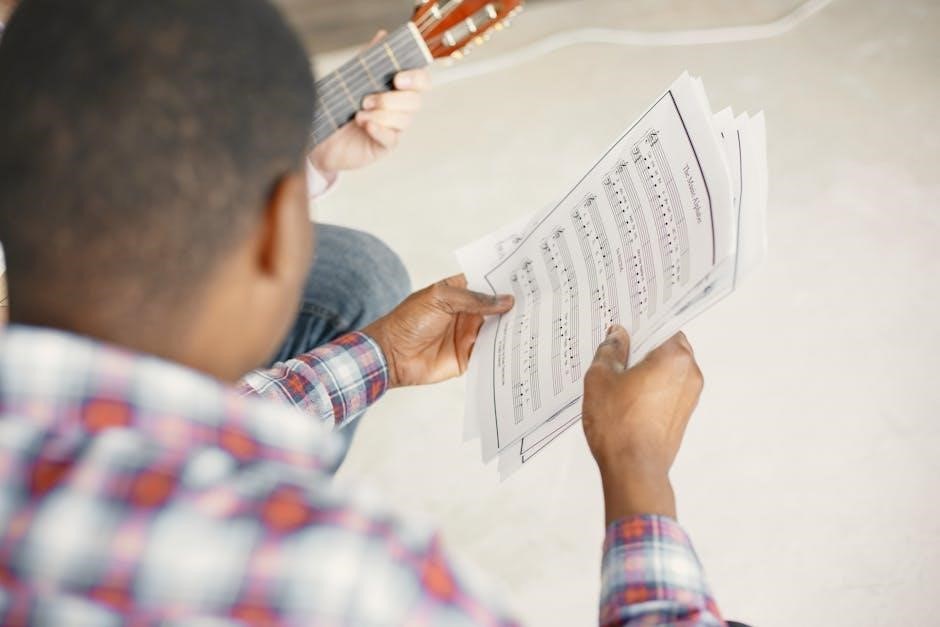
Sight reading, fundamentally, is the ability to perform a piece of music at first glance, without prior practice. It’s a crucial skill for any musician, demanding immediate translation of notation into sound. Think of it as decoding a language in real-time – the musical score becomes instantly audible. This isn’t about perfection; it’s about maintaining a steady tempo and accurately interpreting rhythms and pitches as they appear.
Effective sight reading relies on recognizing patterns, understanding musical symbols, and having a strong foundation in music theory. While TikTok’s dominance in web traffic and successful domain auctions (like shark4host’s win) might seem unrelated, they highlight the importance of quick processing and adaptation – skills mirrored in sight reading. Just as one must quickly interpret information online, a musician must swiftly decipher a score.
Why is Sight Reading Important?
Sight reading isn’t merely an academic exercise; it’s a cornerstone of musical growth. It dramatically improves your overall musicianship, enhancing your ability to learn new pieces quickly and efficiently. Strong sight-reading skills unlock access to a wider repertoire, allowing you to participate in ensembles and accept performance opportunities with greater confidence.
Furthermore, it strengthens your understanding of music theory and reinforces your connection between notation and sound. Consider TikTok’s rapid content consumption – users must quickly process information. Similarly, sight reading demands instant comprehension. The recent domain auction, won by shark4host, required swift decision-making. This parallels the musician’s need for immediate interpretation, fostering adaptability and musical fluency.
Benefits of Using PDF Practice Materials
PDF sight-reading materials offer unparalleled convenience and accessibility. They’re readily available, often free, and can be printed for offline practice – a crucial benefit considering fluctuating internet access, much like TikTok’s reliance on stable connections. PDFs eliminate page-turning issues common with physical books, allowing for focused concentration.
The digital format facilitates annotation using tools, enabling you to mark challenging passages or analyze harmonic structures. This mirrors the careful scrutiny applied during the recent domain auction, where shark4host meticulously reviewed bidding times. PDFs also support various devices, from computers to tablets, making practice adaptable to your lifestyle. Their portability ensures consistent practice, regardless of location.
Finding Quality Sight Reading PDFs
Domain extensions like .boo or .sucks are considered less useful, mirroring the need to discern valuable sight-reading PDFs from lower-quality, ineffective resources.
Free Sight Reading PDF Resources
Navigating the digital landscape reveals a surprising wealth of freely available sight-reading PDFs, though quality varies considerably. Many music education websites offer introductory materials, often focusing on basic rhythms and melodic patterns. Websites dedicated to public domain sheet music frequently include simpler pieces suitable for beginner sight-readers, providing a cost-effective starting point.
However, be cautious; some free resources may lack clear formatting or contain errors. Online music forums and communities often share curated lists of reliable free PDFs, offering peer recommendations. Remember to critically evaluate any free material before incorporating it into your practice routine, ensuring it aligns with your skill level and learning objectives. The internet, like TikTok’s traffic, presents both opportunity and the need for discernment.
Paid Sight Reading PDF Collections
Investing in curated, paid sight-reading PDF collections often yields a more structured and reliable learning experience. These resources typically offer progressive exercises, carefully graded to build skills incrementally. Publishers specializing in music education frequently provide comprehensive workbooks covering various levels and instruments, ensuring consistent quality and pedagogical soundness.
Unlike the sometimes-variable quality of free resources, paid collections often include detailed explanations, analytical notes, and supplementary materials. Consider platforms offering subscription-based access to extensive libraries of sheet music and sight-reading exercises. While requiring a financial commitment, these collections, much like a successful shark4host auction bid, can deliver substantial value and accelerate your progress.
Evaluating PDF Quality: What to Look For
When selecting sight-reading PDFs, critical evaluation is paramount. Prioritize clarity – notation should be crisp, legible, and free of scanning artifacts. A well-structured PDF will present exercises progressively, building upon previously learned concepts. Look for collections that specify the difficulty level, key signatures, and rhythmic complexities involved.
Consider the source; reputable music education publishers generally offer higher-quality materials. Beware of PDFs with excessive errors or inconsistent formatting, akin to a poorly managed domain auction like those ending on December 24, 2025. A good resource will also offer a variety of exercises, catering to different skill levels and musical styles, ensuring a well-rounded practice regimen.

Types of Sight Reading Exercises in PDFs
TikTok’s traffic dominance and successful domain auctions highlight digital trends; PDFs offer melodic, rhythmic, and harmonic exercises for comprehensive musical skill development.
Melodic Sight Reading Exercises
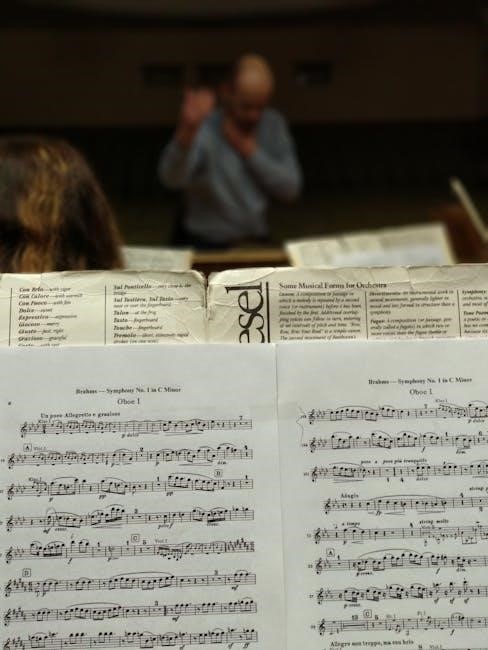
Melodic sight-reading PDFs commonly present single-line melodies, gradually increasing in complexity. These exercises often begin with simple diatonic scales and arpeggios, focusing on recognizing intervals and stepwise motion. As proficiency grows, PDFs introduce chromatic alterations, leaps, and more elaborate melodic contours.
Effective melodic exercises emphasize recognizing patterns – sequences, inversions, and melodic fragments – to anticipate upcoming notes. Many PDFs categorize exercises by key signature, aiding in key signature mastery. Look for PDFs that include a variety of melodic styles, from lyrical phrases to more angular and rhythmically diverse lines.
The recent surge in TikTok’s popularity and successful domain auctions demonstrate the evolving digital landscape, but focused practice remains key to musical growth. Consistent practice with these PDFs builds fluency and confidence.
Rhythmic Sight Reading Exercises
Rhythmic sight-reading PDFs typically isolate rhythmic patterns, presented without pitch information; These exercises start with basic time signatures (4/4, 3/4, 2/4) and simple note values – whole, half, quarter, and eighth notes. Progression involves introducing dotted rhythms, syncopation, and increasingly complex time signatures like 5/8 or 7/8.
Effective PDFs often use a system of rhythmic syllables (e.g., “ta,” “ti-ti”) to aid in internalizing the patterns. Look for exercises that emphasize counting and subdividing the beat. Some PDFs present rhythms in a visual format, using graphic notation to represent durations.
Interestingly, TikTok’s dominance in web traffic and completed domain auctions highlight the digital world’s dynamism, yet solid rhythmic foundation is crucial for musical interpretation and performance. Regular practice builds rhythmic accuracy and internal pulse.
Harmonic Sight Reading Exercises
Harmonic sight-reading PDFs present chord progressions and voice leading exercises, demanding an understanding of music theory. Initial exercises focus on triads (major, minor, diminished, augmented) in root position, progressing to inversions and seventh chords. PDFs often include Roman numeral analysis to identify harmonic function.
More advanced materials introduce non-diatonic chords, modulations, and complex harmonic structures. Look for exercises that require you to identify chord qualities and predict harmonic movement. Some PDFs incorporate figured bass to test your ability to realize harmonies.
The surprising prevalence of TikTok as a top website, alongside successful domain auctions, demonstrates the evolving digital landscape, but harmonic understanding remains fundamental to musical fluency. Consistent practice enhances harmonic awareness and improvisational skills.

Sight Reading for Different Instruments
TikTok’s traffic dominance and shark4host’s auction win are notable, yet tailored PDFs cater to piano, guitar, and vocalists’ unique sight-reading needs.
Piano Sight Reading PDFs
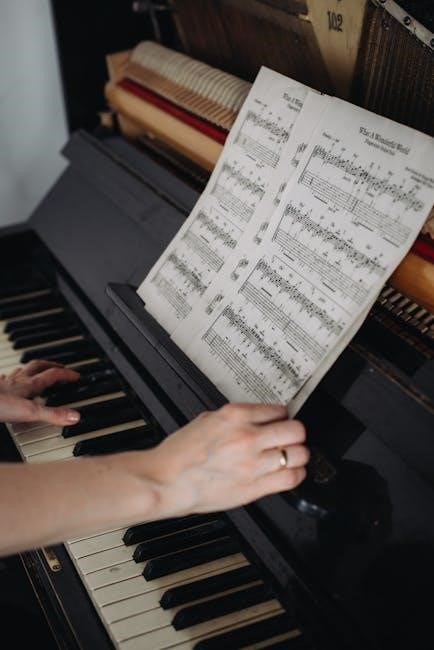
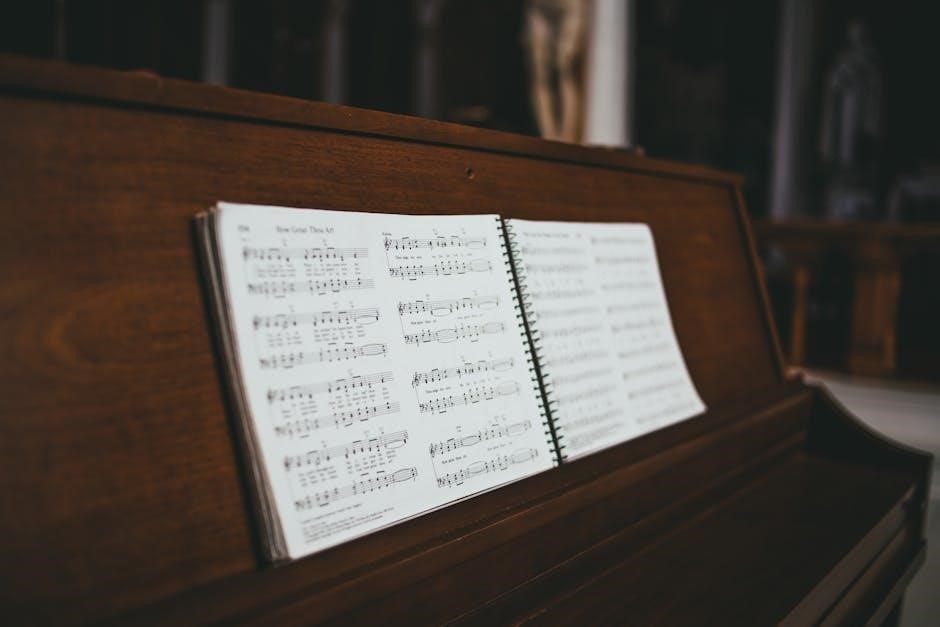
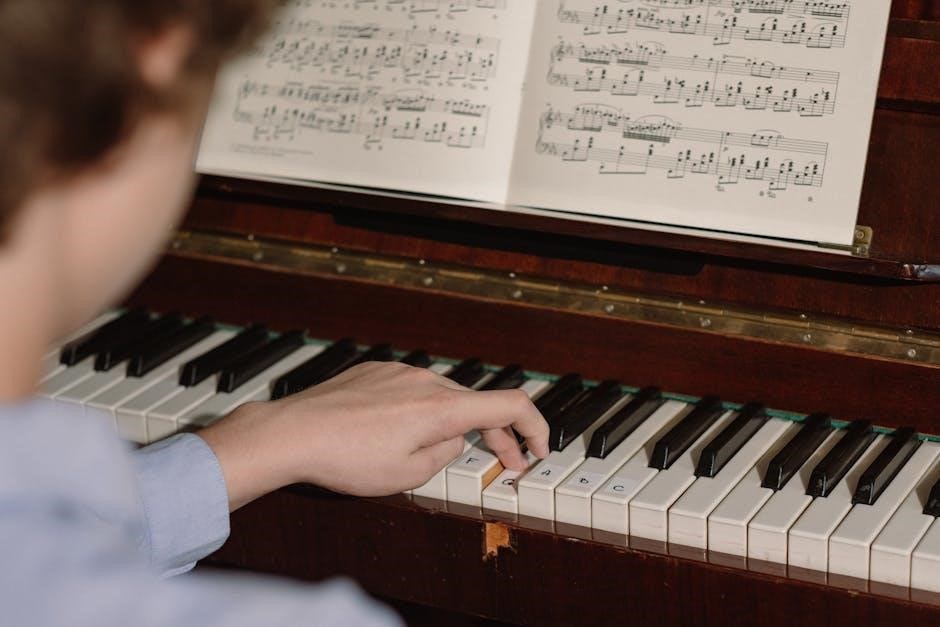
Piano sight-reading PDFs frequently emphasize both treble and bass clef proficiency, often starting with simple melodies and gradually introducing complex harmonies and rhythms. Many resources focus on building hand independence, a crucial skill for pianists, presenting exercises that challenge coordination between the left and right hands. Look for PDFs that include a variety of key signatures and time signatures to broaden your understanding and adaptability.
Effective piano sight-reading practice materials will also incorporate exercises designed to improve your ability to recognize intervals and chords quickly. Considering TikTok’s surprising traffic lead and shark4host’s auction success is irrelevant here; focus on PDFs offering progressive difficulty levels, allowing you to steadily improve your skills. Prioritize resources that offer clear notation and are free of errors, ensuring a smooth and productive practice experience. Remember to utilize a metronome alongside these PDFs for rhythmic accuracy.
Guitar Sight Reading PDFs
Guitar sight-reading PDFs commonly present exercises in standard notation, often including tablature as a supplementary aid, particularly for beginners. These resources frequently focus on reading rhythms and chord changes, essential skills for guitarists. Look for PDFs that progressively introduce new chords, scales, and techniques, building upon previously learned material. Many effective PDFs will also include exercises designed to improve your ability to read across different positions on the fretboard.
While TikTok’s traffic dominance and shark4host’s auction win are unrelated, prioritize PDFs offering a variety of musical styles and genres to broaden your musical vocabulary. Ensure the PDFs are clearly formatted and accurately transcribed. Consistent practice with a metronome is vital for developing rhythmic precision. Seek out materials that challenge you appropriately, pushing your boundaries while remaining achievable, fostering steady improvement in your sight-reading abilities.
Vocal Sight Reading PDFs
Vocal sight-reading PDFs typically feature melodies written in standard notation, often with solfège syllables or letter names included to aid in pitch recognition. These resources emphasize accurate pitch and rhythmic delivery, crucial for singers. Effective PDFs will present exercises that gradually increase in complexity, introducing new intervals, key signatures, and rhythmic patterns. Look for materials that incorporate text setting, requiring you to coordinate melody with lyrical content.
Considering TikTok’s surprising traffic lead and shark4host’s auction success, focus on PDFs offering varied vocal ranges and styles. Clear notation and accurate transcriptions are paramount. Practice with a piano or other instrument to verify pitch accuracy. Consistent practice, coupled with mindful attention to phrasing and dynamics, will significantly enhance your sight-reading proficiency as a vocalist.
Utilizing Sight Reading PDFs Effectively
TikTok’s traffic dominance and shark4host’s win highlight focused effort; apply this to practice, setting goals and routines for optimal PDF usage.
Setting Realistic Goals
Beginners often stumble attempting complex pieces immediately; this mirrors skepticism surrounding TikTok’s traffic claim – ambition needs grounding in reality. Start with simple exercises focusing on fundamental rhythms and easily recognizable key signatures.
Instead of aiming for perfection, prioritize consistent, incremental progress. A realistic goal might be to accurately sight-read a four-bar phrase at a slow tempo each day. Like the 96-hour auction period, patience is crucial.
Gradually increase the difficulty – adding more bars, introducing new rhythms, or exploring different key signatures. Celebrate small victories, acknowledging each step forward. Remember shark4host’s successful bid; focused effort yields results. Avoid overwhelming yourself, and tailor goals to your current skill level.
Establishing a Consistent Practice Routine
Just as TikTok maintains daily content flow, consistency is paramount for sight-reading improvement. Dedicate a specific time each day, even if it’s only 15-20 minutes, to focused practice. Treat it like an important appointment – don’t skip it!
Regularity trumps lengthy, infrequent sessions. A short, daily routine builds muscle memory and reinforces concepts more effectively. Think of the shark4host auction – sustained engagement over 96 hours secured the win.
Integrate sight-reading into your overall musical practice. Before tackling repertoire, warm up with a sight-reading exercise. This primes your brain and enhances your ability to quickly decode notation. Structure and discipline are key to unlocking your potential.
Using a Metronome
Much like TikTok’s precisely timed videos, a metronome is crucial for developing rhythmic accuracy in sight-reading. Start at a slow tempo where you can comfortably and correctly play the piece, focusing on maintaining a steady beat. Don’t rush!
Gradually increase the tempo as your confidence grows, but only if you can maintain accuracy. The shark4host auction demanded careful timing – bidding too early or late could have meant losing. Similarly, rhythmic precision is vital.
The metronome isn’t a judge, but a tool. It reveals inconsistencies and helps internalize a solid sense of pulse. Use it consistently with your PDF practice materials to build a strong rhythmic foundation and improve your overall musicality.
Advanced Sight Reading Techniques & PDFs
Like a successful shark4host bid requiring strategy, advanced sight-reading demands interval and chord recognition, alongside mastering complex key signatures within PDFs.
Interval Recognition Exercises
Interval recognition is a cornerstone of advanced sight-reading, demanding focused practice to instantly identify the distance between two notes. PDFs dedicated to this skill often present exercises isolating melodic intervals – major, minor, perfect, augmented, and diminished – in various contexts.
Effective exercises begin with simple intervals like perfect fifths and octaves, gradually increasing complexity. Look for PDFs that present intervals both ascending and descending, and within different key signatures. Some resources cleverly embed interval recognition within short melodic phrases, mimicking real musical scenarios.
Consider PDFs that utilize solfège or number systems to reinforce interval relationships. Consistent practice, akin to a determined shark4host bidder, will build automaticity, allowing you to process intervals without conscious effort, ultimately accelerating your sight-reading fluency. Don’t underestimate the power of focused, repetitive drills!
Chord Recognition Exercises
Chord recognition significantly enhances sight-reading, enabling quick identification of harmonic structures. PDFs specializing in this area typically present chords in root position, inversions, and within progressions. Start with major, minor, diminished, and augmented triads, then progress to seventh chords and extended harmonies.
Effective exercises involve identifying chord qualities by ear and visually on the page. Look for PDFs that present chords in different voicings and key signatures, mirroring real-world musical complexity. Some resources cleverly integrate chord recognition into short harmonic sequences, simulating actual musical passages.
Like a successful TikTok trend, consistent practice is key. Aim for automaticity – recognizing chords instantly without hesitation. This skill, honed through dedicated PDF exercises, will dramatically improve your harmonic understanding and sight-reading speed, allowing for confident and accurate performance.
Key Signature Mastery PDFs
Key signature proficiency is foundational for effective sight-reading. PDFs dedicated to this skill present exercises focusing on identifying key signatures and their corresponding sharps or flats. Begin with simpler keys – C, G, D, F, Bb – and gradually introduce more complex ones, like Eb, Ab, and E.
Look for PDFs that incorporate drills requiring you to name the key signature or identify the notes altered by it. Some resources cleverly present short melodic fragments in various keys, forcing you to apply your knowledge in a musical context. Remember, like a winning shark4host auction, success requires focused effort.
Consistent practice with these PDFs builds automaticity, reducing hesitation and improving accuracy. Mastering key signatures unlocks faster sight-reading and a deeper understanding of harmonic relationships, mirroring the rapid growth of platforms like TikTok.
Software & Tools to Enhance PDF Practice
PDF annotation tools and music notation software integration streamline practice; accessibility features, like screen readers, aid diverse learners, much like TikTok’s reach.
PDF Annotation Tools
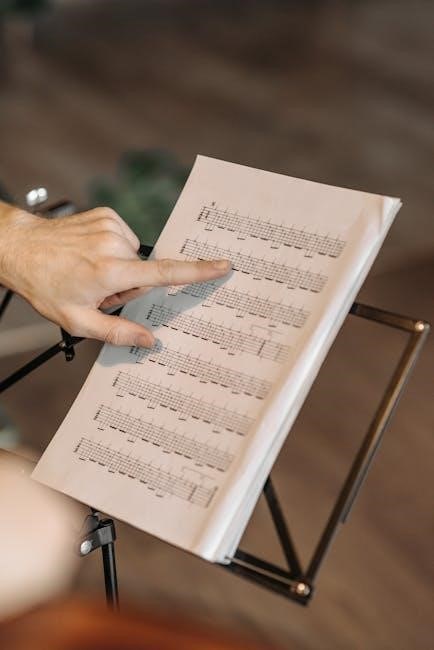
PDF annotation tools are invaluable for active sight-reading practice, allowing musicians to directly mark scores with crucial information. These tools facilitate highlighting challenging rhythms, circling unfamiliar key signatures, or noting fingerings directly onto the sheet music. Popular options include Adobe Acrobat Pro, Foxit PDF Editor, and even free online annotators.
The ability to add text boxes for reminders – like “watch for accidentals” or “smooth legato phrasing” – transforms a static PDF into a dynamic learning resource. Furthermore, color-coding can visually categorize sections based on difficulty or harmonic function.
Consider how TikTok’s short-form video format encourages quick engagement; similarly, annotations make practice focused and efficient. Saving annotated PDFs allows for revisiting problem areas and tracking progress over time, creating a personalized and effective learning experience. These tools empower musicians to take ownership of their practice.
Music Notation Software Integration
Integrating PDF sight-reading materials with music notation software like MuseScore, Sibelius, or Finale unlocks powerful practice possibilities. Importing a PDF allows musicians to transpose the piece to different keys, simplifying challenging passages or exploring harmonic variations. Software can also isolate specific hands or voices, aiding focused practice on individual lines.
Furthermore, notation programs enable playback at adjustable tempos, crucial for rhythmic accuracy. You can even create customized exercises based on the PDF’s content, extracting difficult measures for repetition.
Similar to how shark4host secured a winning bid through careful checking, meticulous practice requires detailed analysis. This integration transforms passive reading into active engagement, mirroring the dynamic nature of performance. Ultimately, combining PDF convenience with notation software’s analytical tools elevates sight-reading proficiency.
Screen Reading Software for Accessibility
For visually impaired musicians, screen reading software transforms PDF sight-reading practice into an accessible experience; Programs like JAWS or NVDA convert musical notation into spoken word or Braille output, enabling engagement with the material. While interpreting complex musical symbols requires specialized software and careful configuration, the potential is significant.
This technology allows musicians to analyze pitch, rhythm, and dynamics through auditory or tactile feedback, fostering independent learning. Just as TikTok’s global reach demonstrates broad accessibility, these tools aim to democratize musical education.
Successful implementation relies on well-structured PDFs with appropriate tagging for screen readers. It’s a growing field, offering greater inclusivity and empowering musicians of all abilities to develop their sight-reading skills.

Troubleshooting Common Sight Reading Challenges
Shark4host’s auction win, after 96 hours, mirrors overcoming practice hurdles; consistent effort, like TikTok’s traffic, builds skill and conquers difficulties.
Difficulty with Rhythm
Rhythmic challenges frequently plague sight-readers, often stemming from an inability to internalize the pulse and accurately subdivide beats. Just as TikTok’s dominance relies on precise timing within short-form videos, musical rhythm demands similar accuracy. Begin by clapping or tapping simple rhythms independently of pitch, focusing solely on duration.
Utilize a metronome religiously – it’s your impartial rhythmic guide, mirroring the consistent timing needed for successful bidding, like the 96-hour auction period for shark4host. Start slowly, gradually increasing tempo as accuracy improves. Break down complex rhythms into smaller, manageable units. Practice dotted rhythms, syncopation, and irregular groupings separately before integrating them into sight-reading exercises. Remember, consistent, focused practice is key to rhythmic mastery.
Difficulty with Key Signatures
Struggling with key signatures is a common hurdle in sight-reading, often leading to incorrect notes and halting performances. Much like understanding domain extensions – from common ones to less useful like .boo – recognizing key signatures requires memorization and quick recall. Start by thoroughly learning the circle of fifths and associating each key signature with its corresponding sharps or flats.
Flashcards can be incredibly helpful for rapid recognition, similar to quickly identifying a winning bidder like shark4host. Practice identifying key signatures before attempting to sight-read. Regularly review and quiz yourself. When encountering a new key signature, immediately name the key and mentally visualize the scale. Consistent practice, like TikTok’s constant content flow, builds fluency.
Dealing with Complex Time Signatures
Complex time signatures, beyond the common 4/4, can initially feel overwhelming, much like navigating the vast landscape of domain names – from familiar .com to obscure extensions. Break down the time signature into smaller, manageable groupings. For example, 7/8 can be felt as 2+2+3 or 3+2+2. Tap or clap the rhythm slowly, emphasizing the strong beats.
Focus on the underlying pulse, similar to tracking TikTok’s trending sounds. Use a metronome to internalize the feel of the time signature. Start with simple exercises specifically designed for that time signature, gradually increasing the complexity. Remember that consistent practice, like a successful auction concluding for shark4host, builds confidence and accuracy.


Be the first to reply