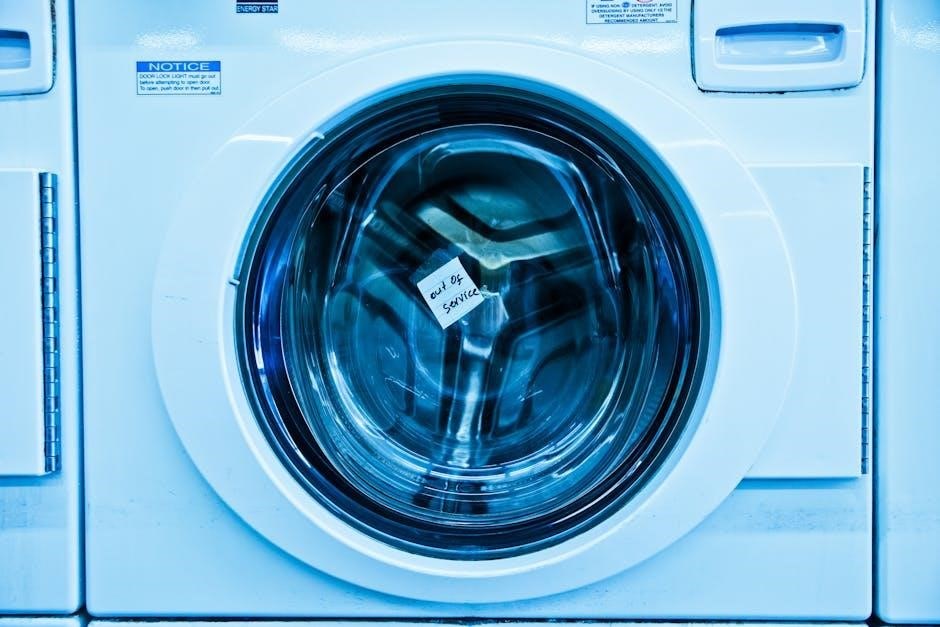
Kenmore Washer 90 Series Manual: A Comprehensive Guide
This manual provides detailed instructions for Kenmore 90 Series washers, encompassing installation, operation, maintenance, and troubleshooting.
It’s essential to record your model and serial numbers for future reference and service requests, ensuring optimal performance and longevity of your appliance.
Welcome to the world of Kenmore 90 Series washing machines! These appliances, manufactured for Sears, Roebuck and Co., represent a commitment to quality and reliability in laundry care. This series is designed to deliver powerful cleaning performance with user-friendly features, catering to diverse laundry needs.
Kenmore washers are known for their durability and innovative technology. This manual serves as a comprehensive guide to understanding and maximizing the potential of your new machine. Whether you’re a first-time user or a seasoned appliance owner, this resource will provide valuable insights into operating, maintaining, and troubleshooting your Kenmore 90 Series washer. Remember to retain this manual for future reference, alongside your model and serial numbers, for efficient support and service.
Understanding Model and Serial Numbers
Your Kenmore 90 Series washer’s model and serial numbers are crucial for identification and service. These unique identifiers provide essential information about your specific appliance, including its manufacturing date and features. The model number pinpoints the exact configuration of your washer, while the serial number distinguishes it individually.
When contacting Sears for assistance, parts replacement, or warranty claims, having these numbers readily available streamlines the process. They enable technicians to accurately diagnose issues and provide appropriate solutions. Locate the Model and Serial Number Plate on your washer – it’s vital to record these numbers in a safe place for future reference. This proactive step ensures efficient support throughout the lifespan of your Kenmore appliance.
Locating the Model and Serial Number Plate
Finding the Model and Serial Number Plate on your Kenmore 90 Series washer is straightforward; Typically, this plate is situated within the washer’s cabinet, often on the inside of the lid or on the back panel. You may need a flashlight to clearly view the information, especially if the area is dimly lit.
Carefully inspect the areas mentioned; the plate is usually a small, metallic or plastic label displaying the “Model No.” and “Serial No.” clearly. Recording these numbers in the designated space within this manual, or in a separate secure location, is highly recommended. Having this information accessible will significantly expedite any future service requests or parts orders, ensuring a smoother experience with your Kenmore appliance.
Safety Precautions and Warnings
Prioritize safety by carefully reading all instructions before operating your Kenmore 90 Series washer.
Follow guidelines to prevent risks associated with electrical connections and usage.
General Safety Guidelines
To ensure safe operation of your Kenmore 90 Series washer, always disconnect the power supply before performing any maintenance or cleaning. Never operate the washer if the power cord or plug is damaged.
Avoid using extension cords, and if absolutely necessary, ensure it’s properly rated for the appliance’s power requirements.
Do not allow children to play with or around the washing machine. Supervise children closely when the appliance is in use.
Never attempt to repair the washer yourself; contact a qualified technician for assistance.
Always follow the manufacturer’s instructions regarding load size and detergent usage to prevent damage to the machine and ensure optimal performance.
Inspect hoses regularly for cracks or leaks, and replace them as needed. Do not wash items that have been cleaned with flammable liquids.
Electrical Safety Instructions
Prioritize electrical safety when installing and using your Kenmore 90 Series washer. This appliance must be properly grounded to minimize the risk of electric shock.
Never modify the power cord plug; if it doesn’t fit the outlet, have a qualified electrician install a suitable outlet.
Avoid operating the washer in damp or wet environments. Do not use the washer with wet hands. Ensure the voltage supplied matches the specifications listed on the appliance’s rating plate.
If the washer experiences an electrical malfunction, immediately disconnect the power supply at the circuit breaker.
Regularly inspect the power cord for damage and replace it if necessary. Do not run the power cord under rugs or furniture.
Always unplug the washer before cleaning or performing any maintenance. Contact a qualified technician for any electrical repairs.
Child Safety Considerations
Protecting children is paramount when using the Kenmore 90 Series washer. Never allow children to operate the washer unsupervised. The washer door can pose an entrapment hazard; always keep it closed when not in use.
Detergent and laundry additives are harmful if swallowed. Store these products securely out of children’s reach. Supervise children closely when loading or unloading laundry to prevent them from climbing inside the washer.
Educate children about the dangers of playing with appliances. Do not allow them to sit or stand on the washer. After each use, ensure no small items, like coins or buttons, remain inside the drum, as these could be choking hazards.
Always lock the control panel when not in use to prevent accidental operation.

Installation Instructions
Proper installation is crucial for optimal performance. This section details unpacking, connecting water lines, leveling the washer, and setting up the drainage system for safe operation;
Unpacking and Inspection
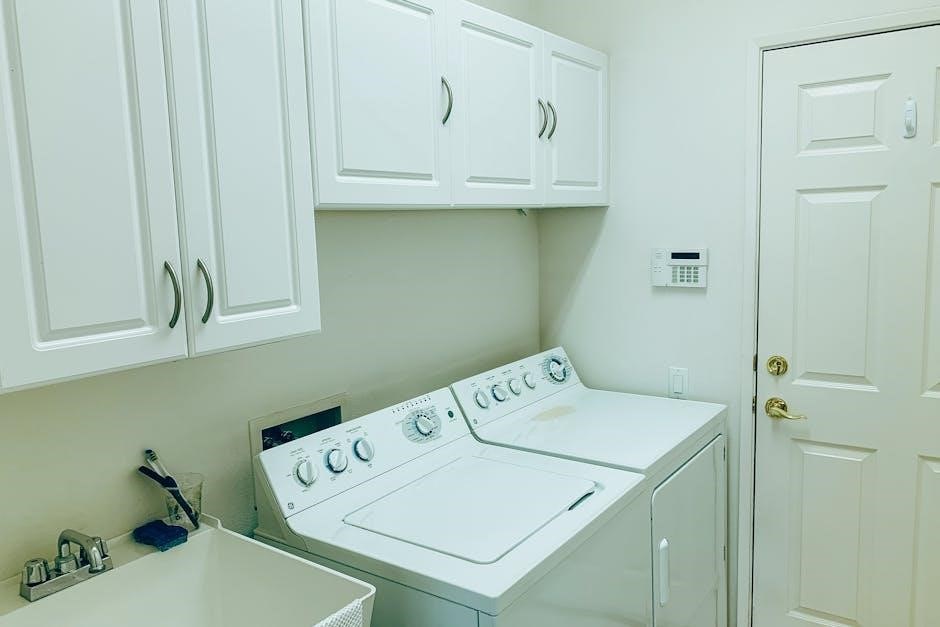
Carefully unpack your new Kenmore 90 Series washer, ensuring all packing materials are removed from both inside and outside the appliance. Inspect the washer thoroughly for any signs of shipping damage, such as dents, scratches, or broken parts. Pay close attention to the cabinet, control panel, and water inlet connections.
If any damage is discovered, immediately contact the retailer or Sears customer service and do not attempt to operate the washer. Retain all original packaging materials for potential return or claim purposes; Verify that all included accessories, such as the drain hose, inlet hoses, and any provided connectors, are present. Confirm the model and serial numbers match your purchase order and record them for future reference. A complete inspection now will prevent potential issues later.
Connecting Water Supply Lines
Before connecting the water supply lines, ensure both hot and cold water faucets are turned off. Attach the inlet hoses to the corresponding hot and cold water faucets, using new rubber washers to prevent leaks. Hand-tighten the connections first, then use pliers to gently tighten them another half-turn. Avoid over-tightening, which can damage the faucets or hoses.
Connect the other ends of the hoses to the designated hot and cold water inlets on the back of the washer. Again, hand-tighten followed by a gentle tightening with pliers. Slowly turn on both water faucets and check for leaks at all connections. If leaks are present, tighten the connections further or replace the rubber washers. Proper connection is crucial for efficient operation and preventing water damage.
Leveling the Washer
Proper leveling is vital to minimize vibration and noise during operation, ensuring the washer functions correctly and extends its lifespan. Use a spirit level to check the washer’s stability on the floor. Adjust the leveling legs, located at the bottom corners of the washer, by rotating them clockwise or counterclockwise;
Raise or lower each leg until the washer is perfectly level in both directions – front-to-back and side-to-side. Tighten the lock nuts against the washer’s base to secure the legs in place once leveled. Re-check the leveling with the spirit level after tightening. An uneven washer can cause excessive movement, potentially damaging the appliance and surrounding surfaces. Regularly check the leveling, especially after moving the washer.
Drainage Setup
Correct drainage is crucial for efficient washer operation, preventing water buildup and potential damage. The drain hose must be securely connected to a standpipe or laundry tub, adhering to local plumbing codes. Ensure the drain hose isn’t kinked or obstructed, as this can impede water flow and cause malfunctions.
The standpipe height should be within the manufacturer’s specified range – typically between 30 and 96 inches. Avoid inserting the drain hose too far into the standpipe, as this can create a siphon effect. Secure the hose with a hose clamp to prevent accidental disconnections. Regularly inspect the drain hose for cracks or wear, replacing it if necessary. Proper drainage ensures effective wastewater removal during each wash cycle.
Operating Instructions
Familiarize yourself with the control panel to select appropriate wash cycles, adjust water temperatures, and add detergents for optimal cleaning performance and fabric care.
Control Panel Overview
The Kenmore 90 Series washer’s control panel is designed for intuitive operation. It typically features a cycle selector dial allowing you to choose from various wash cycles like Normal, Delicate, Heavy Duty, and Quick Wash. Temperature settings, often indicated by color-coded options (hot, warm, cold), enable customized water heating.
Additional controls may include load size adjustments, spin speed selection, and options for extra rinses or pre-soaks. Digital displays, present on some models, provide cycle progress information and estimated remaining time. Buttons for specialized features, such as stain removal or sanitize cycles, are also common.
Understanding each control’s function is crucial for achieving the best cleaning results and protecting your garments. Refer to the full cycle guide within this manual for detailed explanations of each setting and its intended use.
Selecting Wash Cycles
The Kenmore 90 Series offers a variety of wash cycles tailored to different fabric types and soil levels. The ‘Normal’ cycle is ideal for everyday laundry, while ‘Delicate’ provides gentle cleaning for fragile items like lingerie and silk. For heavily soiled clothes, the ‘Heavy Duty’ cycle offers a more vigorous wash action.
A ‘Quick Wash’ cycle is available for lightly soiled items needing a fast refresh. Specialized cycles, such as ‘Permanent Press’ and ‘Sanitize’, cater to specific garment care needs. Always check garment care labels before selecting a cycle.
Consider the load size when choosing a cycle; smaller loads may benefit from shorter cycles or reduced water levels. Proper cycle selection ensures effective cleaning, minimizes wear and tear on clothes, and optimizes water and energy usage.
Adjusting Water Temperature
Your Kenmore 90 Series washer allows you to customize the water temperature for each wash cycle. Selecting the appropriate temperature is crucial for effective cleaning and fabric care. ‘Hot’ water is best for whites and heavily soiled items, providing maximum cleaning power, but can cause fading.
‘Warm’ water is suitable for most colored fabrics and moderately soiled loads, offering a balance between cleaning and color preservation. ‘Cold’ water is ideal for delicate fabrics, dark colors, and preventing shrinkage.
Always refer to garment care labels for specific temperature recommendations. Using cold water also saves energy. The control panel features clearly labeled temperature settings for easy adjustment. Ensure the selected temperature aligns with the chosen wash cycle and fabric type for optimal results.
Adding Detergent and Additives
Proper detergent and additive usage is vital for a successful wash. Your Kenmore 90 Series washer features a designated dispenser for detergent, bleach, and fabric softener. Always use High Efficiency (HE) detergent, as standard detergents can create excessive suds and damage the machine.
Follow the detergent manufacturer’s instructions for the correct amount, adjusting based on load size and soil level. Pour detergent into the appropriate compartment – typically marked with symbols.
Bleach should be diluted with water before adding to the bleach dispenser. Fabric softener is added to its designated compartment, releasing during the rinse cycle. Avoid overfilling dispensers, as this can cause residue buildup. Never pour detergent directly onto clothes.
Maintenance and Troubleshooting
Regular cleaning and prompt troubleshooting ensure optimal performance. This section details procedures for cleaning, addressing common issues like leaks, and resolving operational problems.
Cleaning the Washer
Maintaining a clean washer is crucial for optimal performance and longevity. Regularly wipe down the exterior surfaces with a damp cloth and mild detergent to remove dust and spills. For the interior, run an empty wash cycle with hot water and a washing machine cleaner monthly, or more frequently with heavy use.
Pay close attention to the dispenser drawers, removing them periodically for thorough cleaning to prevent detergent buildup and mildew. Inspect the rubber door seal for any mold or debris, cleaning it with a diluted bleach solution if necessary.
Additionally, occasionally check and clean the drain pump filter to remove lint, coins, and other foreign objects that could cause blockages; A clean washer ensures fresh-smelling laundry and prevents potential mechanical issues.
Cleaning the Detergent Dispenser
The detergent dispenser requires regular cleaning to prevent buildup and ensure proper dispensing. Remove the dispenser drawer by pressing the release tab, if equipped, and gently pulling it out. Rinse each compartment thoroughly under warm water, using a soft brush to remove any hardened detergent residue.
Pay particular attention to the fabric softener compartment, as it’s prone to clogs. Inspect the dispenser housing within the washer for any lingering residue and clean it with a damp cloth.
Ensure all parts are completely dry before reinserting the drawer. A clean dispenser guarantees accurate detergent distribution, preventing residue on clothes and maintaining washer efficiency. Regular cleaning extends the lifespan of the dispenser and promotes optimal wash results.
Troubleshooting Common Issues: No Power
If your Kenmore 90 Series washer isn’t powering on, begin with the simplest checks. First, verify the washer is securely plugged into a functioning electrical outlet. Test the outlet with another appliance to confirm it’s receiving power.
Next, check the household circuit breaker or fuse box; a tripped breaker or blown fuse will interrupt power. Reset the breaker or replace the fuse if necessary. Examine the power cord for any visible damage, such as cuts or fraying.
If the issue persists, consult a qualified technician. Do not attempt to repair electrical components yourself. A lack of power can stem from internal wiring issues requiring professional diagnosis and repair.
Troubleshooting Common Issues: Leaking Water
Water leaks from your Kenmore 90 Series washer can indicate several issues. Initially, inspect the water supply hoses connected to both the hot and cold water inlets, ensuring they are tightly secured and free from cracks or damage. Also, check the drain hose connection to the drainpipe, verifying a snug fit.
Examine the door boot (rubber seal around the door) for tears, punctures, or debris that might compromise its seal. A damaged boot requires replacement. Inspect the detergent dispenser for clogs or overflows.
If leaks continue, a more serious internal problem might exist, such as a faulty water pump or tub seal. In such cases, contacting a qualified appliance repair technician is recommended for diagnosis and repair.
Troubleshooting Common Issues: Washer Won’t Spin
If your Kenmore 90 Series washer isn’t spinning, several factors could be at play. First, ensure the lid switch is functioning correctly; the washer won’t spin if it thinks the lid is open. Verify the load is balanced – an uneven load can prevent the spin cycle from initiating.
Check the drain hose for kinks or clogs, as the washer won’t spin if it can’t drain the water properly. A faulty drive belt is another common culprit; inspect it for wear and tear or breakage.
In more complex cases, the motor coupling or the motor itself might be defective, requiring professional diagnosis and repair by a qualified appliance technician.

Advanced Features & Settings
Explore specialized wash cycles and temperature controls for optimal fabric care. Utilize automatic settings for convenience, tailoring each wash to specific garment types and soil levels.
Understanding Water Temperature Control
Precise water temperature selection is crucial for effective cleaning and fabric preservation within your Kenmore 90 Series washer. This model offers a range of temperature settings, from cold to hot, each designed for specific laundry needs. Cold water is ideal for delicate fabrics and preventing color fading, while warm water effectively cleans most everyday items.
Hot water is best suited for heavily soiled loads and sanitizing, but it can cause shrinkage or color bleeding in certain materials. The control panel allows you to easily adjust the temperature based on the garment care label recommendations. Understanding these settings ensures optimal cleaning performance and extends the life of your clothes. Always consult the garment’s label before selecting a water temperature.
Using the Automatic Wash Cycles
The Kenmore 90 Series washer boasts a variety of automatic wash cycles designed to simplify your laundry routine. These pre-programmed cycles automatically adjust wash times, water temperatures, and spin speeds for optimal results. Common cycles include Normal, Delicate, Heavy Duty, and Permanent Press.
The Normal cycle is suitable for everyday laundry, while Delicate provides gentle cleaning for fragile items. Heavy Duty tackles heavily soiled loads, and Permanent Press minimizes wrinkles. To utilize these cycles, simply select the appropriate setting on the control panel, add detergent, and start the washer. The machine will handle the rest, ensuring a convenient and efficient wash every time. Refer to the full manual for detailed cycle descriptions.
Specific Cycle Details (e.g., Delicate, Heavy Duty)
The Delicate cycle utilizes a gentle wash action and cooler water temperatures, ideal for lingerie, silk, and other fragile fabrics. Heavy Duty employs a more vigorous wash and higher spin speeds, effectively removing tough stains from work clothes and durable items. Permanent Press minimizes wrinkles through a slower spin cycle and warm water wash.
Normal cycle is best for everyday loads. Each cycle offers adjustable features like soil level and spin speed. Always check garment care labels before selecting a cycle. Overloading the washer can diminish cleaning performance. For heavily soiled items, pre-treating stains is recommended. Refer to the complete manual for a comprehensive list of cycle parameters and fabric recommendations.
Parts Diagram & Replacement
Access detailed parts diagrams to identify key components for your Kenmore 90 Series washer. Replacement parts can be purchased through Sears or authorized retailers, ensuring compatibility.
Accessing Parts Diagram
Locating the correct parts diagram is crucial for successful repairs of your Kenmore 90 Series washer; Typically, Sears provides these diagrams online through their website or dedicated parts portals. You will need your washer’s complete model number to access the specific diagram tailored to your machine.
These diagrams visually represent the washer’s internal components, labeling each part with a corresponding part number. Carefully examine the diagram to pinpoint the exact component requiring replacement. Some online resources may offer interactive diagrams, allowing you to click on parts for more detailed information.
Alternatively, contacting Sears customer service directly can provide access to parts diagrams and assistance in identifying the correct parts. Keep the model number handy when contacting support for a smoother process. Remember to always refer to the diagram when ordering replacement parts to ensure compatibility and a proper fit.
Identifying Key Components
Understanding the major components of your Kenmore 90 Series washer is vital for both maintenance and repair. Key parts include the motor, responsible for powering the drum; the pump, which drains water; and the agitator or impeller, creating the washing action. The water inlet valve controls water flow, while the timer or electronic control board manages the wash cycles.
The tub and drum hold the laundry during washing, and the suspension rods minimize vibration. The lid switch ensures operation only when the lid is closed for safety. Familiarize yourself with the location of these components using the parts diagram.
Recognizing these parts will aid in troubleshooting issues and performing basic repairs. Always disconnect power before attempting any maintenance or repair work. Proper identification ensures you order the correct replacement parts when needed, extending the life of your appliance.
Where to Purchase Replacement Parts
Securing genuine Kenmore replacement parts is crucial for maintaining your 90 Series washer’s performance and warranty validity. Your first point of contact should be the official Sears PartsDirect website, offering a comprehensive catalog searchable by model number. Local Sears stores also stock common replacement parts, providing immediate access for urgent repairs.
Alternatively, several online retailers specialize in appliance parts, offering competitive pricing and a wide selection. Ensure the retailer is reputable and guarantees part compatibility. When ordering, always have your washer’s complete model and serial number readily available to ensure accurate part selection.
For specialized or discontinued parts, consider appliance repair shops or online forums dedicated to Kenmore appliances; they may have access to sourcing options. Prioritize genuine Kenmore parts for optimal fit and function.

Be the first to reply