
Junior Craft and Tinker Badge: A Comprehensive Guide (Updated March 14, 2026)
The official Girl Scout resource provides a detailed PDF outlining all requirements for the Junior Craft and Tinker badge, ensuring a structured learning experience.
Understanding the Junior Girl Scout Level
The Junior Girl Scout level, typically encompassing girls in grades 4-5 (ages 9-11), marks a crucial stage in their development of skills and independence. This is where girls begin to explore interests more deeply and take on greater responsibility within their troops. The Craft and Tinker badge specifically caters to this age group, fostering creativity and problem-solving abilities.
Understanding the badge requirements, readily available as a PDF from the official Girl Scout resources, is paramount for troop leaders. The PDF details how the activities align with the Junior level’s learning objectives, ensuring age-appropriate challenges. It’s designed to encourage girls to not just make things, but to understand the ‘why’ behind their creations, linking crafting and tinkering to real-world applications and fostering a sense of accomplishment.
Target Age and Grade Range (9-11 years, Grades 4-5)
Designed for Junior Girl Scouts, typically girls aged 9-11 in grades 4-5, the Craft and Tinker badge’s requirements, detailed in the official PDF, are carefully tailored to this developmental stage. This age group possesses increasing fine motor skills and cognitive abilities, making them ideal for both crafting and tinkering activities.
The PDF ensures activities are challenging yet achievable, promoting a sense of success and encouraging further exploration. It acknowledges the varied skill levels within a troop, offering adaptable options. Leaders can utilize the PDF to understand how each requirement builds upon the previous one, fostering a progressive learning experience aligned with the Junior Scout’s capabilities and interests.
Badge Overview: Craft and Tinker
The Junior Craft and Tinker badge, comprehensively outlined in the official requirements PDF, encourages girls to explore their creativity and problem-solving skills through hands-on activities. It’s part of the new Makers badges, designed to inspire innovation and community impact. The badge focuses on understanding the difference between crafting – making something with skill and imagination – and tinkering – exploring and modifying existing objects.
The PDF details how girls will learn to identify features of objects, disassemble and reassemble items safely, and create useful, functional art. Ultimately, the badge aims to empower girls to see themselves as makers and innovators, capable of bringing their ideas to life.

Badge Requirements Breakdown
The official PDF clearly details three core requirements: defining crafting/tinkering, demonstrating problem-solving through projects, and sharing creations with explanations.
Requirement 1: Defining Crafting and Tinkering
According to the official Junior Craft and Tinker badge PDF, the first requirement centers on understanding the core concepts of both crafting and tinkering. Girls must articulate what each term means, moving beyond simple definitions. Crafting, as outlined, involves utilizing skill, imagination, and problem-solving abilities to make something with intention – an object designed to address a specific need. Tinkering, conversely, focuses on exploration and modification; taking things apart to understand how they function and then potentially repurposing or improving them.
The PDF emphasizes that crafting isn’t just about art; it’s about functional creation. Similarly, tinkering isn’t simply destruction; it’s investigative learning. Understanding these nuances is crucial for successfully completing the badge.
What is Crafting? Skill, Imagination, and Problem Solving
The Junior Craft and Tinker badge PDF details that crafting isn’t merely an artistic pursuit, but a process deeply rooted in skill development, imaginative thinking, and practical problem-solving. It’s about intentionally creating something useful, not just aesthetically pleasing. The document stresses that a successful craft project directly addresses a need or solves a problem, requiring girls to identify an issue and then design a solution through hands-on creation.
Girls are encouraged to consider how their skills can be applied, fostering resourcefulness and innovation. The PDF highlights that crafting builds confidence and encourages a “maker” mindset.
What is Tinkering? Exploring and Modifying
According to the Junior Craft and Tinker badge PDF, tinkering is presented as a unique form of exploration – a process of respectfully taking things apart to understand how they work, and then creatively modifying them for new purposes. It’s about curiosity-driven investigation, not destruction. The PDF emphasizes that tinkering encourages girls to view objects not as finished products, but as opportunities for innovation and re-imagining.
It fosters a mindset of experimentation and learning from mistakes, crucial for developing problem-solving skills and inventive thinking. The document stresses safe disassembly practices.
Meeting Plan Ideas for the Badge
The badge PDF suggests three meetings: crafting introduction, material exploration, and tinkering with disassembly, offering a structured path to badge completion.
This initial meeting, guided by the badge PDF, focuses on defining crafting as a skill-based, imaginative problem-solving process. Girls will brainstorm everyday objects needing improvement or entirely new creations. Encourage thinking about practical solutions – what’s missing or could be better? Discussions should center around how crafting solves a problem, not just creating something pretty.
The PDF emphasizes understanding the “why” behind crafting. Activities could include a group brainstorming session, sketching initial ideas, and beginning to categorize objects by function. This sets the stage for later material exploration and project development, aligning directly with the badge’s core objectives.
Meeting 2: Exploring Different Craft Materials
Following the badge PDF’s guidance, this meeting dives into hands-on material exploration. Girls will investigate a variety of crafting supplies, noting textures, strengths, and potential uses. The PDF highlights both traditional materials and the importance of sustainability.
Dedicated segments will focus on paper crafts – origami, paper mache, card making – and their diverse applications. Equally important is exploring recycled materials, reinforcing eco-consciousness. Activities should encourage experimentation and discussion about which materials best suit different project ideas brainstormed in Meeting 1, directly linking to badge requirements.
Paper Crafts and Their Applications
The badge PDF emphasizes paper’s versatility. This segment explores origami, fostering spatial reasoning and precision, alongside paper mache, demonstrating structural building techniques. Card making allows for creative expression and personalized communication, aligning with problem-solving aspects of the badge.
Girls will analyze how different paper weights and textures impact project outcomes. Discussions will center on practical applications – creating gift boxes, decorative items, or even simple paper-based mechanisms. Activities should directly address the PDF’s requirement to understand how crafting solves problems, showcasing paper’s diverse utility.
Recycled Material Crafts – Sustainability Focus
The badge PDF strongly encourages sustainability. This section focuses on transforming waste into useful objects, reinforcing environmental responsibility. Activities include building sculptures from plastic bottles, creating art from cardboard, and repurposing fabric scraps. Girls will learn to identify materials suitable for reuse and explore innovative construction methods.
Discussions will highlight the benefits of reducing waste and conserving resources, directly linking to Girl Scout values. Projects should demonstrate problem-solving skills – how can discarded items be given new life? The PDF’s emphasis on “useful objects” is key here, promoting practical and eco-conscious crafting.
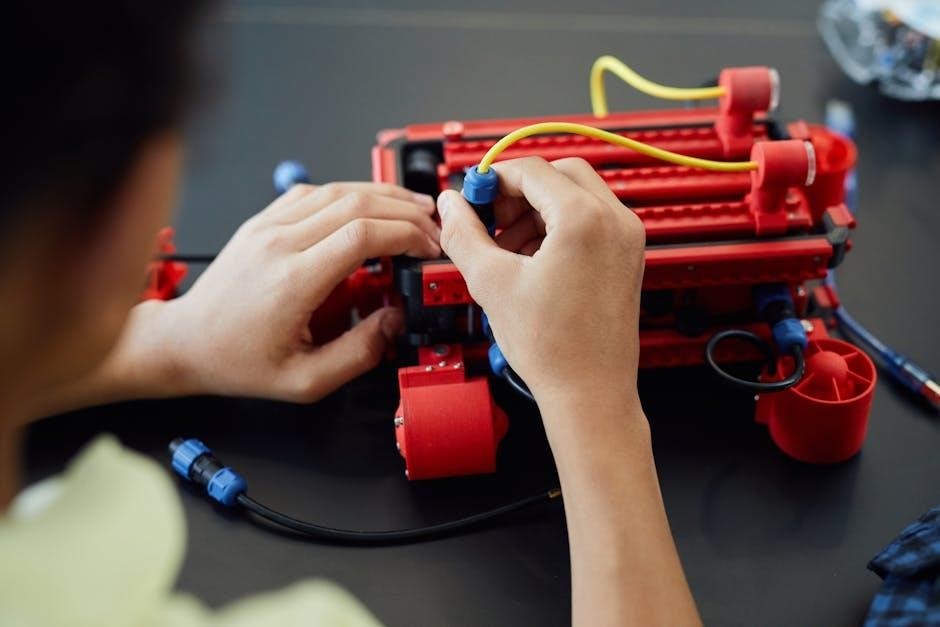
The badge PDF details a crucial step: safe exploration through disassembly. This meeting introduces tinkering by carefully taking apart (and attempting to reassemble) simple, non-functional objects. Emphasis is placed on understanding how things work internally. The PDF stresses adult supervision for all disassembly activities, prioritizing safety.
Girls will learn to identify features and components, documenting their observations. The goal isn’t necessarily perfect reassembly, but rather understanding the object’s construction. This fosters curiosity and problem-solving skills, aligning with the badge’s core objectives; The PDF provides guidance on appropriate tools and safety protocols.
Safe Disassembly Practices
The badge PDF prioritizes safety, outlining strict guidelines for disassembly. Adult supervision is mandatory throughout the entire process. Girls must wear safety glasses to protect their eyes from flying debris. The PDF advises against disassembling anything with batteries still installed, or anything potentially hazardous.
Tools should be age-appropriate and used correctly, with adult demonstration and guidance. The document stresses the importance of a clear workspace and proper handling of small parts. Girls are instructed to report any difficulties or concerns immediately. Following these practices ensures a positive and secure tinkering experience.
Identifying Features of Objects
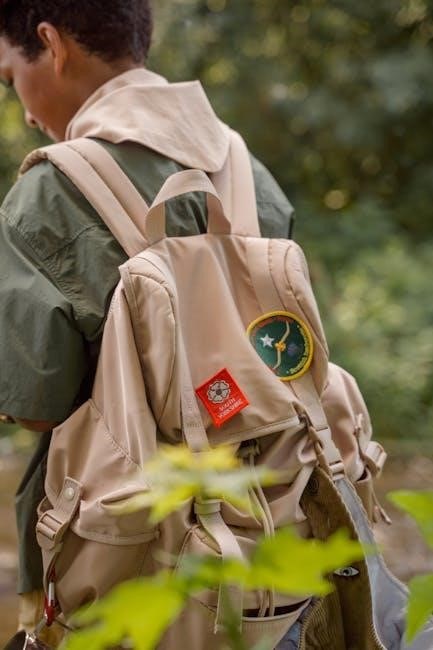
The Junior Craft and Tinker badge PDF emphasizes observing and documenting object features. Girls learn to pinpoint what makes each item unique – its purpose, components, and how they interact. They’re encouraged to identify “features” as anything useful, fun, or different, as defined within the badge guidelines.
This involves careful examination during disassembly, noting shapes, materials, and connections. The PDF suggests sketching diagrams and creating lists of observed features. Understanding these elements is crucial for potential modification or repurposing, fostering problem-solving skills and inventive thinking.

Crafting Activities
The badge PDF inspires simple sewing, recycled material builds, and functional art projects, blending creativity with practical skills for Junior Girl Scouts.
Simple Sewing Projects for Juniors
The Junior Craft and Tinker badge PDF suggests accessible sewing projects ideal for beginners. These projects build foundational skills while fostering creativity and problem-solving. Consider creating small pouches, felt ornaments, or simple stuffed animals. Emphasis should be placed on hand-sewing techniques, ensuring safety and manageable complexity for this age group. The PDF encourages adapting patterns or designing original creations, promoting individual expression.
These projects directly address badge requirements related to crafting useful objects and demonstrating skill. Adult supervision is crucial, particularly when introducing needles and thread. The goal is to empower girls to confidently tackle basic sewing, opening doors to future crafting endeavors and a sense of accomplishment.
Building with Recycled Materials
The Junior Craft and Tinker badge PDF highlights building with recycled materials as a key activity, emphasizing sustainability and resourcefulness. Girls can construct structures, sculptures, or functional items from cardboard boxes, plastic bottles, and other discarded materials. This directly aligns with the badge’s focus on crafting useful objects and problem-solving. The PDF encourages brainstorming innovative uses for “trash,” fostering creative thinking and environmental awareness.
Adults should assist with safe material preparation, like cutting cardboard. This activity fulfills badge requirements by demonstrating tinkering skills and promoting responsible consumption. It’s a fantastic way to show how imagination can transform waste into something valuable and fun!
Creating Functional Art – Combining Aesthetics and Utility
The Junior Craft and Tinker badge PDF encourages girls to move beyond purely decorative crafts, challenging them to create items that are both beautiful and useful. This involves blending artistic design with practical function – think decorated pencil holders, painted storage boxes, or creatively repurposed containers. The PDF stresses that crafting should solve a problem, and functional art embodies this principle perfectly.
Girls demonstrate skill, imagination, and problem-solving by designing and building these items. This activity directly addresses badge requirements, showcasing their ability to combine aesthetics with utility, and fostering a sense of accomplishment.
Tinkering Activities
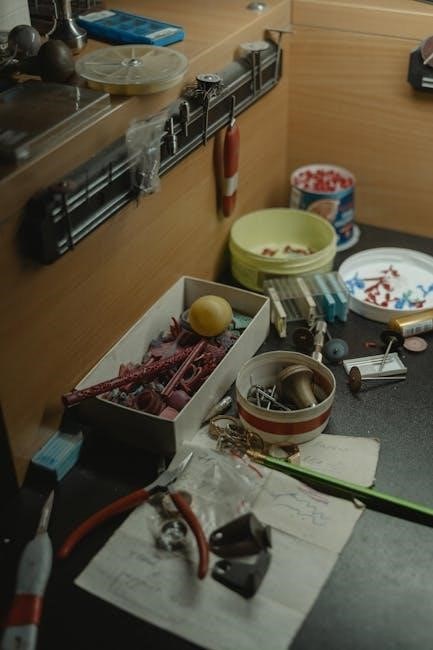
The badge PDF details safe exploration of objects, disassembly/reassembly of toys, and building simple machines – levers, pulleys, and wheels – for hands-on learning.
Taking Apart Old Electronics (with Supervision)
The official badge requirements PDF emphasizes adult supervision when dissecting old electronics. This activity allows Juniors to identify features and understand how objects function internally. Prioritize safety; ensure devices are disconnected from power sources and batteries are removed. Discuss potential hazards beforehand, like sharp edges or small components.
Girls can explore the components – resistors, capacitors, wires – and discuss their roles. This fosters problem-solving skills as they attempt to understand the device’s original construction. Documenting the process, perhaps with sketches or photos, fulfills badge requirements. It’s a fantastic way to learn about engineering principles and responsible disposal of electronic waste.
Modifying Existing Toys for New Purposes
The Junior Craft and Tinker badge PDF encourages innovative thinking through toy modification. Girls can repurpose broken or unwanted toys, fostering creativity and problem-solving. This activity aligns with sustainability principles, reducing waste by giving items a new life. Adult guidance is crucial, especially when using tools or altering toy mechanisms.
Examples include adding wheels to a stuffed animal, creating a new game from board game pieces, or transforming a dollhouse into a miniature workshop. Documenting the modifications – outlining the original toy, the changes made, and the new purpose – satisfies badge requirements. This demonstrates ingenuity and practical application of tinkering skills.
Building Simple Machines – Levers, Pulleys, and Wheels
The Junior Craft and Tinker badge PDF emphasizes hands-on learning with simple machines. Girls explore fundamental physics concepts by constructing levers, pulleys, and wheel-and-axle systems. This activity reinforces problem-solving skills as they determine how these machines make work easier. Building with readily available materials – cardboard, string, and recycled items – is encouraged.
The PDF guides leaders in facilitating experiments demonstrating mechanical advantage. Documenting the building process, explaining how each machine functions, and identifying real-world applications fulfills badge requirements. This fosters a deeper understanding of engineering principles and encourages future exploration in STEM fields.

Badge Requirement Fulfillment
The Junior Craft and Tinker badge PDF details documentation, problem-solving demonstrations, and sharing creations as key steps to successfully complete all badge requirements.
Documenting Crafting and Tinkering Projects
According to the Junior Craft and Tinker badge PDF, thorough documentation is crucial for demonstrating understanding and fulfilling requirements. Girls should keep a detailed journal or portfolio of their projects, including sketches, material lists, and step-by-step instructions. Photographs of the process and finished products are highly encouraged. This documentation isn’t just about recording what they did, but also why they made certain choices.
The PDF emphasizes reflecting on challenges encountered and how they were overcome, showcasing problem-solving skills. Girls should explain the purpose of their creations and how they address a specific need or solve a problem. This detailed record serves as proof of their learning journey and allows them to share their experiences effectively with others.
Demonstrating Problem-Solving Skills
The Junior Craft and Tinker badge PDF explicitly requires girls to demonstrate problem-solving throughout their projects. This isn’t simply about completing a task, but about navigating obstacles and finding creative solutions. The documentation of their process, as outlined in the PDF, should highlight instances where they encountered difficulties and the strategies they employed to overcome them.
Girls are expected to articulate why a particular approach didn’t work and how they adapted their plans. The PDF encourages reflection on what they learned from these challenges, fostering a growth mindset. Successfully showcasing these skills is key to earning the badge, proving they can think critically and innovate.
Sharing Creations and Explaining the Process
The Junior Craft and Tinker badge PDF emphasizes the importance of sharing finished projects and thoroughly explaining the creation process. Girls aren’t just presenting a final product; they’re demonstrating their understanding of the skills and techniques involved. The PDF suggests preparing a presentation or “show and tell” style explanation, detailing each step from initial brainstorming to final execution.
This includes discussing challenges faced, problem-solving strategies used, and what they learned throughout the project. Effectively communicating their process showcases not only their crafting or tinkering abilities but also their communication and leadership skills, vital components of the badge requirements.

Resources and Support Materials
The official Girl Scout badge requirements PDF serves as the primary resource, complemented by online tutorials and inspiration for crafting and tinkering projects.
Official Girl Scout Badge Requirements PDF
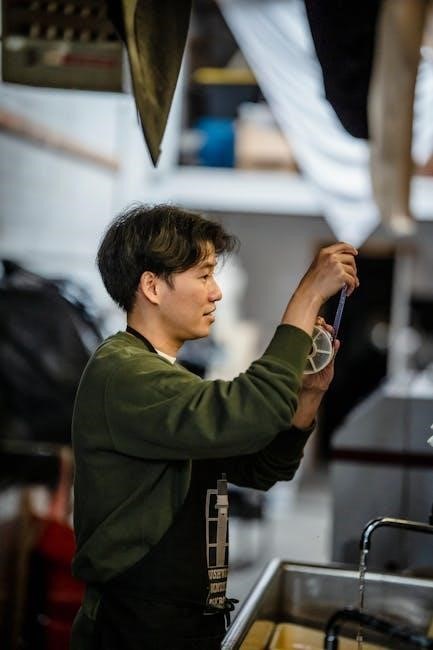
The official Girl Scout PDF document is the cornerstone for leading Juniors through the Craft and Tinker badge journey. It meticulously details each requirement, ensuring troop leaders and girls have a clear understanding of the objectives. This resource outlines the necessary steps to define crafting and tinkering, explore materials, and demonstrate problem-solving skills.
It provides a structured framework for meeting plans, guiding activities that encourage creativity and innovation. The PDF clarifies expectations for documenting projects and sharing creations, fostering a sense of accomplishment. Accessing this document is crucial for accurate badge fulfillment and a rewarding experience for every Junior Girl Scout, spanning diverse needs and levels.
Online Tutorials and Inspiration
Beyond the official PDF, a wealth of online tutorials and inspiration awaits! Numerous websites and platforms offer step-by-step guides for crafting and tinkering projects suitable for Junior Girl Scouts. These resources can supplement badge requirements, providing diverse ideas for simple sewing, recycled material builds, and safe electronic disassembly.
Platforms like YouTube and Pinterest showcase inspiring creations, sparking imagination and offering visual learning opportunities. Leaders can find innovative approaches to meeting activities, tailoring them to troop interests. Remember to always prioritize safety and adult supervision when utilizing external resources, ensuring alignment with Girl Scout guidelines.
Community Resources – Makerspaces and Workshops
Enhance the Junior Craft and Tinker badge experience by exploring local community resources! Makerspaces offer access to tools and equipment not readily available elsewhere, fostering advanced tinkering skills. Workshops, often hosted by libraries or community centers, provide guided instruction in specific crafts like sewing or woodworking.
These external opportunities complement the badge requirements PDF, offering hands-on learning and expert guidance. Connecting with local artisans and engineers can inspire girls and broaden their understanding of STEM fields. Always verify safety protocols and age appropriateness before participating in external programs, ensuring a positive and enriching experience.

Safety Considerations
The badge requirements PDF emphasizes adult supervision, proper tool handling, and awareness of Material Safety Data Sheets (MSDS) for all crafting and tinkering activities;
Adult Supervision for All Activities
The Junior Craft and Tinker badge requirements PDF consistently stresses the critical importance of dedicated adult supervision throughout every stage of all activities. This isn’t merely about overseeing; it’s about ensuring a safe and productive learning environment for the girls. Adults should actively monitor tool usage, particularly when disassembly of electronics or any cutting is involved. They must also guide problem-solving, offering assistance without taking over the creative process. The PDF highlights that supervision levels should adjust based on the complexity of the task and the girls’ experience. Consistent adult presence fosters confidence, encourages responsible behavior, and mitigates potential risks, allowing the Juniors to fully explore their crafting and tinkering potential.
Proper Tool Usage and Handling
The Junior Craft and Tinker badge requirements PDF places significant emphasis on teaching proper tool usage and safe handling techniques. Before any crafting or tinkering begins, girls must receive clear instruction on how to use each tool correctly and responsibly. This includes demonstrations by adults and supervised practice sessions. The PDF advises adults to review Material Safety Data Sheets (MSDS) for all materials used. It stresses the importance of selecting age-appropriate tools and establishing clear rules regarding their use. Proper handling minimizes risks, builds confidence, and instills a respect for tools, fostering a safe and productive environment for creative exploration.
Material Safety Data Sheets (MSDS) Awareness
The Junior Craft and Tinker badge requirements PDF highlights the crucial role of Material Safety Data Sheets (MSDS) in ensuring a safe crafting environment. Leaders are instructed to be aware of MSDS for all materials utilized during badge activities. These sheets provide vital information regarding potential hazards, safe handling procedures, and emergency protocols. Understanding MSDS empowers adults to protect the girls from exposure to harmful substances and respond effectively to accidents. The PDF emphasizes proactive safety measures, including proper ventilation, protective gear, and responsible disposal of materials, all informed by MSDS guidelines.



Be the first to reply